Youtube Masha And The Bear Fun Episodes
- 1.
What Exactly Is the World of “youtube masha and the bear”?
- 2.
Is “Masha and the Bear” Really Russian—or Are We All Mixed Up?
- 3.
The Tragic Backstory Rumor: Truth or Internet Tall Tale?
- 4.
Is “Masha and the Bear” Safe for Toddlers? Let’s Break It Down.
- 5.
Why Does Masha Always Rock That Iconic Scarf?
- 6.
How “Masha and the Bear” Became a YouTube Juggernaut
- 7.
Parent Reactions: From Exhausted to Enthralled
- 8.
Cultural Impact Beyond the Screen
- 9.
Merch Madness: What’s Selling and Why
- 10.
Where to Watch More—and What’s Next for the Duo?
Table of Contents
youtube masha and the bear
What Exactly Is the World of “youtube masha and the bear”?
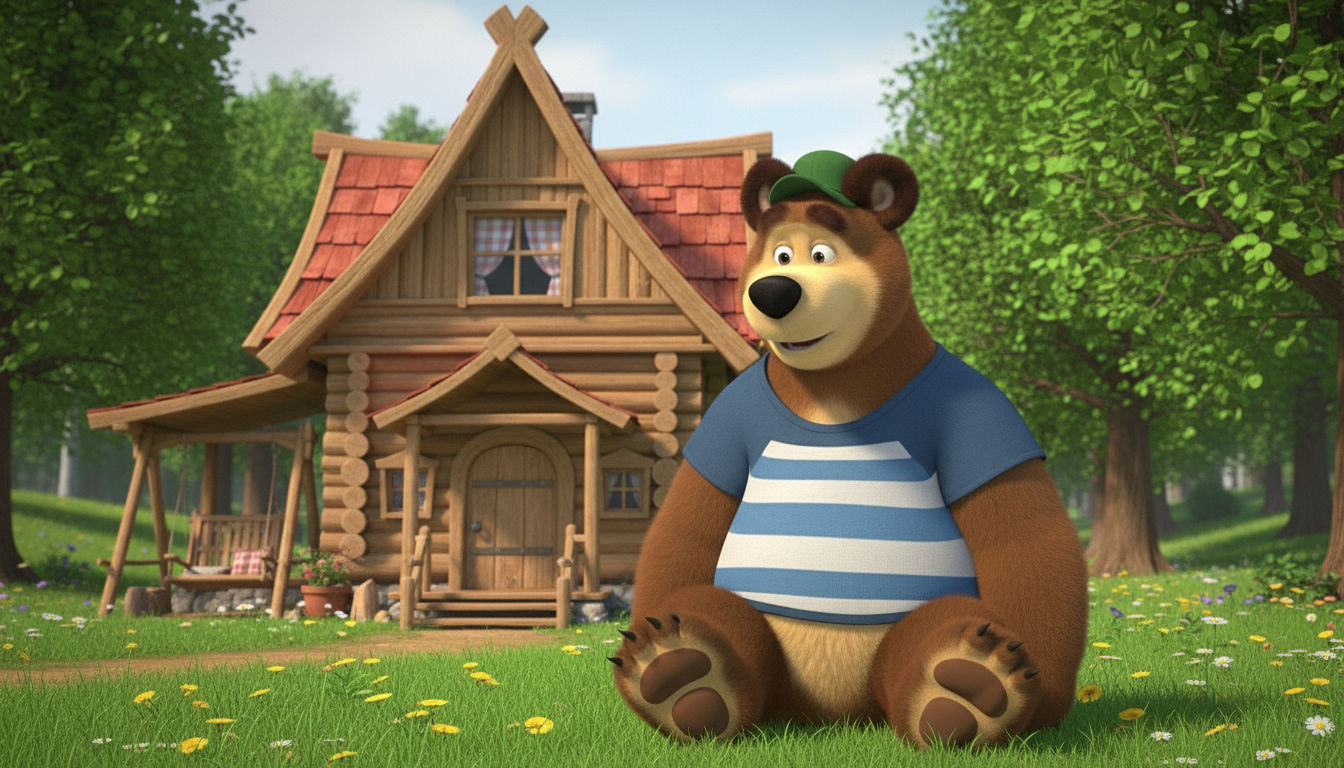
Ever scrolled through youtube masha and the bear clips at 2 a.m. while your toddler’s snoring like a tiny lumberjack? Yeah, same. “Masha and the Bear” ain’t just another cartoon—it’s a global phenomenon wrapped in a puff of snow, mischief, and a bright red scarf that could power a thousand nursery rhyme TikToks. Originating from Russia, this animated duo has taken over YouTube like a sugar rush at a birthday party. With over 36 billion views globally (yep, billion—not a typo, though your brain might be glitchin’), “Masha and the Bear” holds a spot in the Guinness World Records as the most-watched animated series on the platform. And guess what? Nearly half of those views come straight from youtube masha and the bear uploads, whether official or fan-made. It’s like comfort food for kids—and oddly soothing ASMR for exhausted parents who just need five minutes of peace while Masha yells “BEAR!” for the 400th time.
Is “Masha and the Bear” Really Russian—or Are We All Mixed Up?
Okay, let’s clear the air before your Aunt Karen brings it up at Thanksgiving again. “Masha and the Bear” is Russian—born in the frosty plains of Studio Animaccord, Moscow. The creators based Masha on a real-life neighbor’s granddaughter, and the Bear? Well, he’s basically every overworked babysitter ever. Though Ukraine shares cultural DNA with Russia (and some voice actors have Ukrainian roots), the show itself is funded, animated, and proudly stamped “Made in Russia.” That said, calling it “just Russian” feels like calling snow “just cold.” It’s universal. Kids in Texas, Tokyo, and Toronto all giggle at the same banana peel slip. So while the youtube masha and the bear algorithm might not care about geopolitics, we do—and the facts are crystal: it’s a Russian animated gem with global charm.
The Tragic Backstory Rumor: Truth or Internet Tall Tale?
Now hold up—some corners of the internet swear there’s a “tragic story behind Masha and the Bear.” Cue sad violin music and dramatic zooms. Supposedly, Masha’s parents died in a train crash, and the Bear adopted her. Sounds heavy for a show where she turns the forest into a glitter bomb zone, right? Here’s the tea: that’s 100% fan fiction. Zero basis in canon. The creators never hinted at trauma. In fact, Masha’s parents *do* appear in later episodes—alive, slightly exasperated, and very much present. The rumor probably started from someone watching episode 1 at 3 a.m. with sleep deprivation goggles on. Moral of the story? Don’t believe everything whispered in Reddit threads. The real tragedy? When YouTube demonetizes a youtube masha and the bear compilation because of “reused content.” Now *that’s* heartbreaking.
Is “Masha and the Bear” Safe for Toddlers? Let’s Break It Down.
If your mini-me is under five, you’ve probably asked: “Is this show actually ok for toddlers?” Spoiler: yes, mostly. “Masha and the Bear” is rated TV-Y (that’s “all children” level). No cussin’, no violence—just chaotic energy and mild property destruction. Masha might flood the Bear’s house with bubble bath or glue his paws together, but it’s cartoon logic, not real-life danger. Pediatricians even note the show promotes problem-solving (albeit in a “let’s see what happens if I microwave the snowman” way). Still, parental discretion’s wise: some episodes feature mild suspense (like Masha lost in the woods), but resolution’s always warm and fuzzy. So yes—youtube masha and the bear is toddler-safe… unless you count the risk of your kid reenacting Masha’s pancake-flipping stunts on your actual stove.
Why Does Masha Always Rock That Iconic Scarf?
Ah, the legendary red-and-white polka-dot scarf. It’s not just cute—it’s strategy. In Slavic folklore, kids often wear bright headscarves for protection, warmth, and cultural identity. Masha’s scarf? A nod to that tradition, but also pure branding genius. You see that scarf, you know it’s Masha. No face needed. Plus, it hides her hair during animation—saving Studio Animaccord time and cash. But symbolically? It’s her superhero cape. When that scarf flutters, chaos follows. Fun fact: merch sales show the scarf is the #2 most-bought accessory after Masha plushies. So yeah, that little cloth? It’s not fashion—it’s cultural shorthand, animation hack, and marketing rocket fuel rolled into one. Never underestimate the power of a well-placed youtube masha and the bear accessory.

How “Masha and the Bear” Became a YouTube Juggernaut
Let’s talk numbers, y’all. “Masha and the Bear” didn’t just *arrive* on YouTube—it conquered. Their official channel launched in 2012 and hit 100 million subs by 2024. Episodes like “Recipe for Disaster” (where Masha bakes… chaos) racked up 5+ billion views alone. How? Simple: short episodes (6-12 mins), zero dialogue reliance (universal visual gags), and algorithm-friendly uploads. Parents worldwide use youtube masha and the bear as digital babysitters—and YouTube’s algorithm *loves* consistent, high-retention content. Also, the show’s segmented nature makes it perfect for YouTube Shorts and compilations. Result? A feedback loop of views, ads, and global toddler addiction. Honestly, if YouTube had a crown, Masha would’ve stolen it by now—and tied it to a kite.
Parent Reactions: From Exhausted to Enthralled
Ask any parent about youtube masha and the bear, and you’ll get a spectrum: from “God bless this show” to “If I hear ‘BEEEEAR!’ one more time, I’m moving to Mars.” But dig deeper, and many admit it’s oddly therapeutic. The Bear’s patience mirrors parental love—endless, forgiving, and occasionally pushed to the brink. Masha? She’s every toddler’s id unleashed. Watching her fail, laugh, and hug it out teaches emotional regulation… through cartoon logic. Forums like Reddit’s r/Parenting have threads titled “Masha got me through teething season.” One dad in Ohio joked, “She’s the only babysitter who doesn’t charge $20/hour.” Sure, it’s repetitive—but sometimes, predictability is the peace we crave in a chaotic world.
Cultural Impact Beyond the Screen
“Masha and the Bear” isn’t just a show—it’s a cultural export. You’ll find Masha-themed birthday cakes in Brazil, playground statues in Kazakhstan, and school backpacks from Seoul to Seattle. The youtube masha and the bear phenomenon has inspired language-learning apps (since it’s dialogue-light), music covers (her theme song’s on Spotify!), and even dance challenges. Teachers use episodes to explain cause-and-effect. Libraries host “Masha Story Time.” And during lockdowns? The show was a global comfort blanket. It proves that joy doesn’t need translation—just a mischievous kid, a gentle giant, and a forest full of possibilities. Talk about soft power with polka dots.
Merch Madness: What’s Selling and Why
Peep the merch game, and you’ll see why Animaccord’s laughing all the way to the (ruble-filled) bank. Plush toys, board games, lunchboxes—you name it. But here’s the kicker: licensed youtube masha and the bear merch grossed over $500 million USD in 2023 alone. The Bear’s hoodie? Sold out in 12 countries. Masha’s teapot toy? A collector’s item. Why? Nostalgia-meets-necessity. Parents buy it to extend the viewing joy into real life. Kids hug the plush Bear like he’s their actual guardian. It’s not just product—it’s emotional real estate. And with YouTube driving discovery, every view becomes a potential sale. Capitalism, meet cartoon chaos.
Where to Watch More—and What’s Next for the Duo?
If you’re hooked on youtube masha and the bear, you’re in luck. New episodes drop regularly on the official channel, plus seasonal specials (hello, “Masha’s Halloween”). For deeper dives, check out the Randall Enos homepage for curated animation insights, or browse the Cartoons category for similar gems. And if you loved the slapstick mystery vibe, don’t miss Black Shaggy Scooby Doo Mystery Twist—it’s got that same chaotic charm, just with more haunted lighthouses. As for Masha and Bear? Rumor says a feature film’s in the works. Until then, keep hitting play—your inner child (and your actual child) will thank you.
Frequently Asked Questions
What is the tragic story behind Masha and the Bear?
There isn’t one. The so-called “tragic backstory”—where Masha’s parents died in an accident—is purely fan-made fiction. Official episodes show Masha’s parents alive and well. The youtube masha and the bear series is intended as lighthearted, comedic entertainment without dark origins.
Is Masha and the Bear Russian or Ukrainian?
“Masha and the Bear” is a Russian animated series produced by Studio Animaccord in Moscow. While some voice talent may have Ukrainian ties, the show is culturally and financially rooted in Russia. Its global success via youtube masha and the bear has made it a symbol of post-Soviet creative export.
Is Masha and the Bear ok for toddlers?
Yes, “Masha and the Bear” is considered safe for toddlers. It’s rated TV-Y, with no violence or inappropriate content. Episodes focus on playful mischief, problem-solving, and emotional bonding. Parents using youtube masha and the bear as screen-time often appreciate its gentle humor and visual storytelling.
Why does Masha wear a scarf?
Masha’s red polka-dot scarf is inspired by traditional Slavic children’s headwear, symbolizing warmth and cultural identity. It also serves as a visual trademark and animation simplification. In the universe of youtube masha and the bear, it’s become an iconic symbol of her playful, unstoppable spirit.
References
- https://www.guinnessworldrecords.com/world-records/most-watched-animated-youtube-channel
- https://www.animaccord.com/en/about
- https://www.commonsensemedia.org/tv-reviews/masha-and-the-bear
- https://www.bbc.com/culture/article/20220125-the-russian-cartoon-taking-over-the-world