Fantastic 4 200 Team Power Dynamics
- 1.
“Yo, Did a Comic Just Sell for $3 Million?”—The Wild World of Fantastic 4 #1 and Beyond
- 2.
From Kirby’s Pencil to Pop Culture: The Legacy of Fantastic 4 #200
- 3.
Why the 2015 Fantastic Four Flopped—And Why #200 Still Slaps
- 4.
Is Reed Richards Autistic? Reading Between the Panels of Fantastic 4 200
- 5.
The First LGBT Character in Marvel? Not in #200—But the Seeds Were Planted
- 6.
Galactus, Doom, and Daddy Issues: The Triple Threat of Fantastic 4 200
- 7.
Collectors’ Corner: What Makes Fantastic 4 200 Worth Hunting?
- 8.
Byrne’s Takeover: How Fantastic 4 200 Set the Stage for a Creative Revolution
- 9.
Herbie the Robot: Wait, Wasn’t He in Fantastic 4 200? (Spoiler: Nope)
- 10.
Where Do We Go From Here? The Future of Fantastic 4 After 200… and 600… and Beyond
Table of Contents
fantastic 4 200
“Yo, Did a Comic Just Sell for $3 Million?”—The Wild World of Fantastic 4 #1 and Beyond
Wait—someone actually dropped *three million bucks* on a comic book? Sounds like something your cousin Vinny would say after one too many White Claws at a backyard BBQ. But nah, it’s legit. Back in 2023, a near-mint copy of Fantastic Four #1 (1961) went for over $3 million. And get this: fantastic 4 200 ain’t sleepin’ either. It hasn’t hit seven figures… yet. But it’s a big deal—a silver anniversary for Marvel’s OG squad. This issue’s where cosmic chaos meets family therapy, and Reed finally admits duct tape and calculus can’t fix everything. That mix of heart, humor, and heroics? That’s why folks pay rent money for paper. It ain’t just ink—it’s legacy, baby.
From Kirby’s Pencil to Pop Culture: The Legacy of Fantastic 4 #200
When Fantastic Four #200 dropped in January 1979, America was boogie-ing in bell-bottoms and quoting “I am your father” at drive-thrus. But Marvel? They were busy dropping a masterpiece. Penned by Marv Wolfman and drawn by John Byrne (who’d soon take the whole show over), this wasn’t just another Tuesday throwdown. Nah—this was emotional warfare with capes. Doom’s back, Galactus is hangry again, and Ben Grimm’s out here questioning his whole existence like he’s stuck in a late-night diner off Route 66. Meanwhile, Sue’s pregnant—because why not add one more fire to the grill? The fantastic 4 200 arc nailed what made the FF special: they weren’t just saving the planet—they were holding each other together. Every panel felt like a hug from your weird but lovable uncle. Shakespeare in spandex? You better believe it.
Why the 2015 Fantastic Four Flopped—And Why #200 Still Slaps
Let’s keep it 100: the 2015 Fantastic Four movie was a dumpster fire wrapped in CGI and doused in awkward silence. Felt less like a superhero flick and more like a rejected pilot for “Stranger Sci-Fi.” No banter. No soul. Just a bunch of folks looking confused in dark rooms. But crack open fantastic 4 200, and you’ll remember why the comics rule. There’s warmth. Sass. Real stakes. These folks argue like siblings, cry like humans, and still suit up like legends. The movie forgot they’re a *family* first. Issue #200? Never did. It’s the difference between a frozen dinner and grandma’s Sunday pot roast—same ingredients, worlds apart.
Is Reed Richards Autistic? Reading Between the Panels of Fantastic 4 200
Alright, real talk: Reed Richards has always vibed neurodivergent—hyper-focused, socially awkward, talks like a GPS with feelings. Marvel never slapped an official label on him, but in fantastic 4 200? It’s crystal clear. He’s over here trying to “logic” his way through Sue’s pregnancy like it’s a math problem, ignoring the emotional weight while obsessing over Doom’s tech specs. Modern readers see those traits and go, “Yep, that’s on the spectrum.” And you know what? It makes him deeper, not broken. He’s not cold—he’s just wired different. And the FF love him *because* of it, not in spite of it. That quiet acceptance? That’s the real superpower in fantastic 4 200.
The First LGBT Character in Marvel? Not in #200—But the Seeds Were Planted
Truth bomb: fantastic 4 200 didn’t debut Marvel’s first openly LGBT character—that crown goes to Arnie Roth in Captain America #268 (1982) or Northstar in Alpha Flight #106 (1992). But here’s the tea: the FF were laying groundwork before it was cool. Their whole brand was “chosen family,” radical acceptance, and flipping the bird to normalcy. When Ben growls, “I may be a monster, but I’m *your* monster,” it hits home for anyone who’s ever felt like they don’t fit—whether it’s your body, your brain, or your heart. No rainbow flags in 1979, sure—but the spirit was there, simmering under the surface like a good chili. Today’s inclusive Marvel stories? They’re standing on shoulders built in issues like #200.
Galactus, Doom, and Daddy Issues: The Triple Threat of Fantastic 4 200
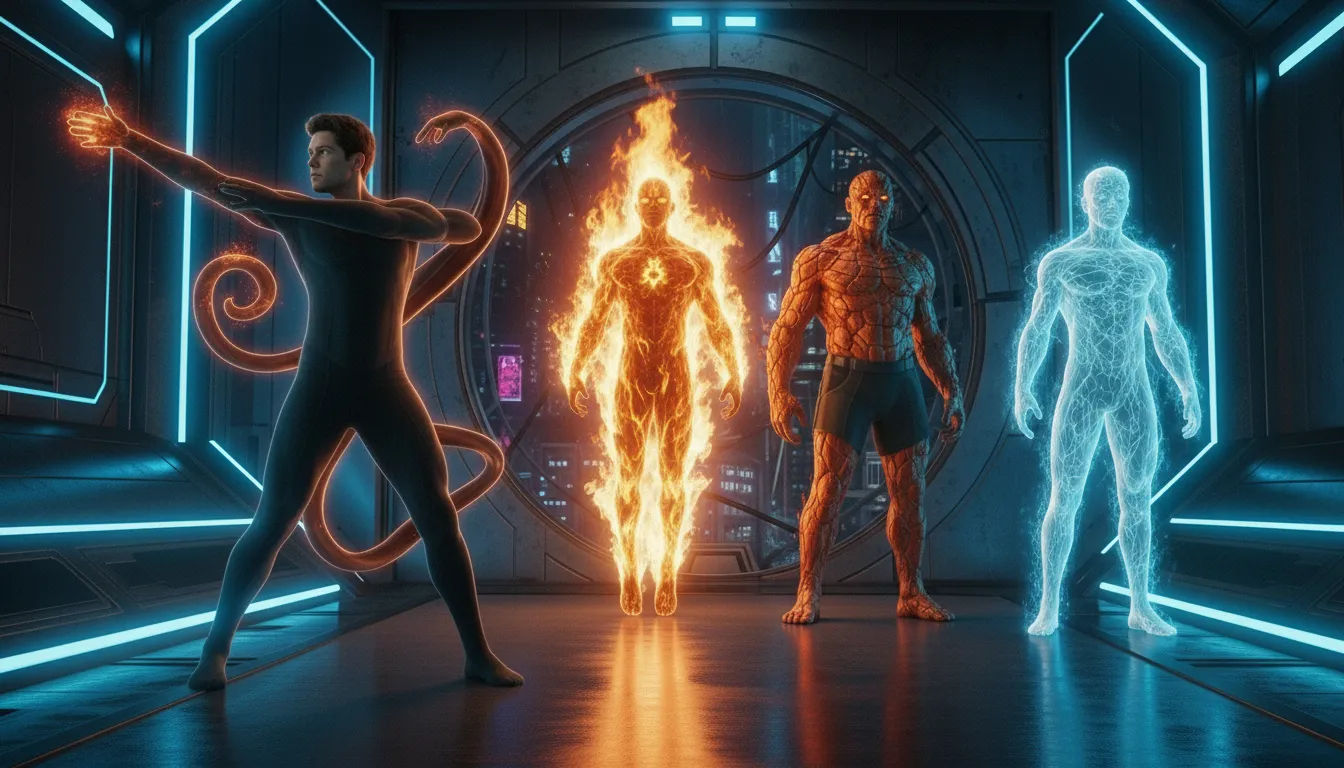
Issue #200 throws the FF into a three-ring circus: Galactus is snackin’, Doom’s schemin’, and Reed’s sweating bullets about becoming a dad. It’s pure chaos—but the kind that feels like a well-directed Tarantino flick. The fantastic 4 200 script juggles galaxy-sized threats and kitchen-table drama like a pro. One minute, Sue’s wrapping a nursery in force fields; the next, Johnny’s doing barrel rolls through solar flares like it’s Nascar in space. And Ben? He’s the glue—dropping truth bombs like, “Brains don’t make a family—love does.” That balance? That’s why fans still geek out over this issue 45 years later. It’s not just action—it’s family therapy with laser beams.
Collectors’ Corner: What Makes Fantastic 4 200 Worth Hunting?
If you’re stacking your comic vault like a true nerd-royalty, here’s why fantastic 4 200 deserves prime shelf real estate:
- Cover Art: Byrne’s legendary shot of the FF staring down Galactus like they’re about to call his bluff at a poker table.
- Milestone Issue: Double-hundred energy—rare air for any ongoing series.
- Key Story Beats: Doom’s comeback, Franklin’s baby watch, and Ben’s midlife crisis in orange rock form.
- Market Value: A CGC 9.6? $800–$1,200 easy. Raw copies? Start around $50 if you hustle.
Pro move: hunt for newsstand editions—they’re rarer than a polite DMV employee. And watch those pages—if they’re off-white, value nosedives faster than a Thing drop-kick.
Byrne’s Takeover: How Fantastic 4 200 Set the Stage for a Creative Revolution
Yeah, Marv Wolfman wrote #200—but John Byrne’s art? That was the mic drop. His clean lines, expressive faces, and layouts that popped like a Fourth of July fireworks show hinted at the revolution coming. This issue was his audition tape, and dude aced it. He brought the FF back down to earth after years of space opera bloat. Suddenly, Reed’s glasses fogged when he cried. Sue’s hair looked like she’d just rolled out of bed in Jersey City. Those tiny human touches? Made ‘em feel real. And when Byrne took full control at #232, he doubled down on that raw, relatable vibe. All roads led back to the heart laid bare in fantastic 4 200.
Herbie the Robot: Wait, Wasn’t He in Fantastic 4 200? (Spoiler: Nope)
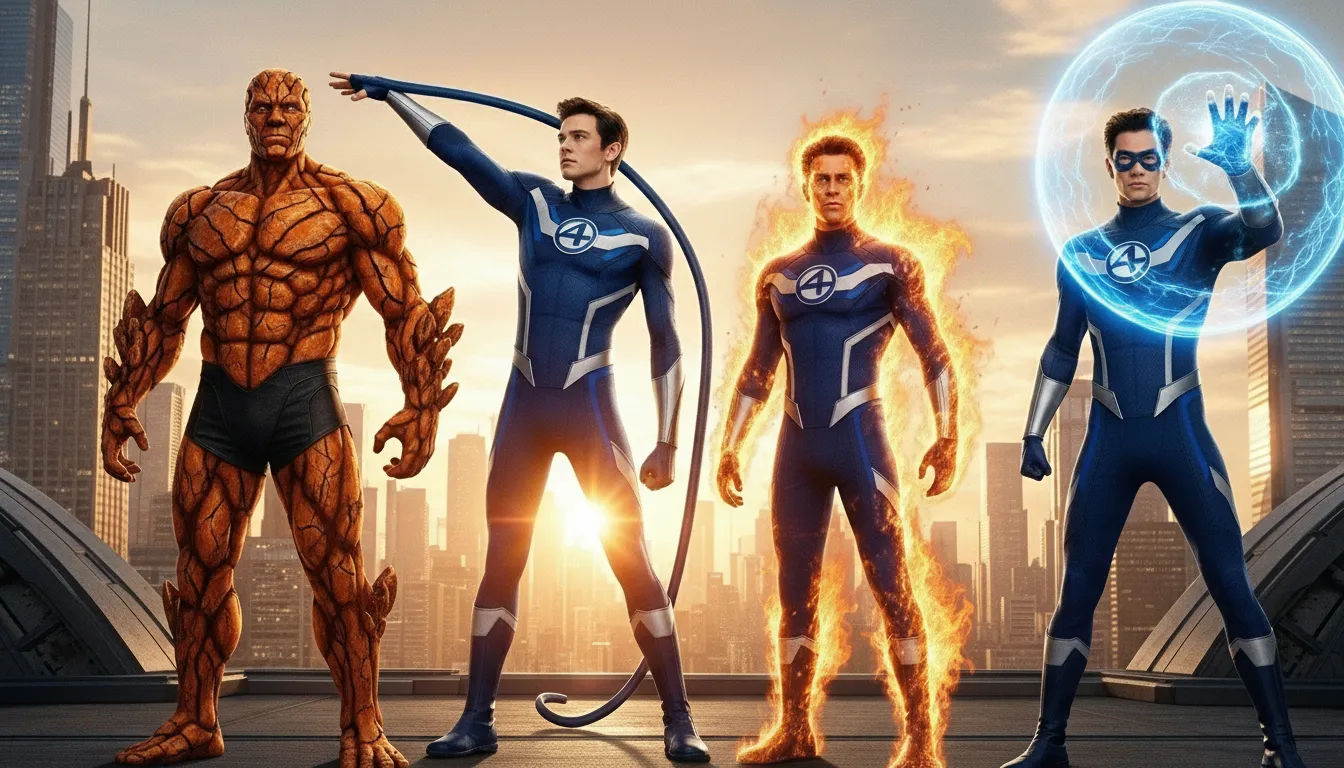
Classic mix-up! Herbie—the lovable robo-sidekick with the bowler hat—is strictly a 1990s cartoon legend. He never showed up in fantastic 4 200 or any mainline comic. But fans love him so hard, some swear he’s canon like Bigfoot or the Philly cheesesteak ghost. Truth is, the FF never needed a robot butler. They already had the perfect lineup: brain, heart, fire, and rock. Still, if you’re curious about that tin-can sweetheart, we’ve got a deep dive waiting. Just say the word.
Where Do We Go From Here? The Future of Fantastic 4 After 200… and 600… and Beyond
fantastic 4 200 wasn’t the finish line—it was the pit stop that reset the whole race. It reminded Marvel that the First Family shines brightest when science meets soul, and world-ending threats come with side dishes of sibling squabbles. As the MCU gears up for its reboot, that lesson’s gold. Will they nail it? Fingers crossed. Until then, we’ll keep re-reading #200 like it’s our favorite mixtape. And if you’re riding this nostalgia train with us, swing by Randall Enos for weekly deep cuts, browse our Comics archive for genre breakdowns, or geek out over our full explainer on Fantastic 4 Herbie Robot Sidekick. The Baxter Building’s doors? Always open, partner.
Frequently Asked Questions
What comic just sold for $3 million?
A near-pristine copy of Fantastic Four #1 (1961) sold for over $3 million USD in 2023. While fantastic 4 200 hasn’t reached that price, it remains a highly valued milestone issue among collectors for its storytelling and historical significance.
Who was the first LGBT character in Marvel?
Marvel’s first openly gay character was Arnie Roth in Captain America #268 (1982), though Northstar’s 1992 coming-out in Alpha Flight gained wider attention. The fantastic 4 200 issue didn’t feature LGBT characters, but the FF’s theme of chosen family paved the way for future inclusivity.
Why did people not like Fantastic 4 2015?
Fans disliked the 2015 Fantastic Four film for its dark tone, lack of humor, rushed origin story, and deviation from core character dynamics. In contrast, fantastic 4 200 exemplifies what makes the team beloved: heart, wit, and authentic relationships amid cosmic chaos.
Is Reed Richards autistic?
Marvel has never officially diagnosed Reed Richards as autistic, but many readers interpret his traits—hyperfocus, social awkwardness, logical problem-solving—as aligning with autism spectrum characteristics. In fantastic 4 200, his emotional struggles during Sue’s pregnancy highlight this nuanced portrayal.
References
- https://www.cbr.com/fantastic-four-1-3-million-sale-explained/
- https://www.marvel.com/comics/issue/13432/fantastic_four_1961_200
- https://www.denofgeek.com/comics/fantastic-four-200-marv-wolfman-john-byrne/
- https://www.comicbookresources.com/features/history-of-lgbt-characters-in-marvel-comics