Fantastic Four First Comic Origin Issue
- 1.
Fantastic Four First Comic: The Birth of a Superhero Family
- 2.
The Original Fantastic Four Lineup: More Than Just Powers
- 3.
When Did the Thing First Appear in Fantastic Four?
- 4.
Is Fantastic Four the First Comic Ever? Setting the Record Straight
- 5.
What Was the First Fantastic Four Comic? A Deep Dive Into Issue #1
- 6.
The Cultural Impact of the Fantastic Four First Comic
- 7.
Collecting the Fantastic Four First Comic: Worth Every Penny
- 8.
The Evolution of the Fantastic Four Since Their First Comic
- 9.
Why Fans Keep Returning to the Fantastic Four First Comic
- 10.
Legacy, Links, and Where to Go Next
Table of Contents
fantastic four first comic
Fantastic Four First Comic: The Birth of a Superhero Family
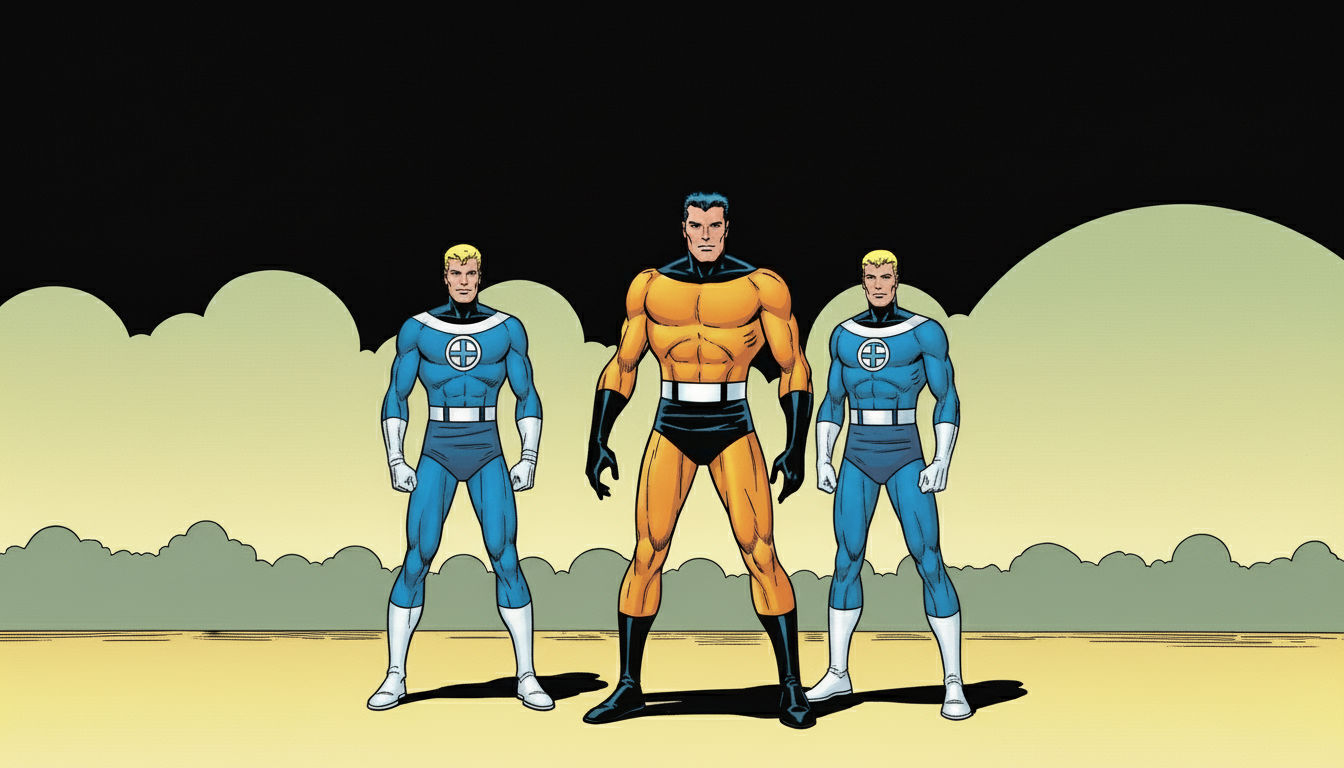
Ever wonder what happened the day four ordinary (well, kinda) folks got blasted by cosmic rays and turned into Earth’s first proper superhero squad? Yeah, us too. The fantastic four first comic wasn’t just another issue on the spinner rack—it was the spark that lit the Marvel Universe on fire. Back in November 1961, under the bold banner of *Fantastic Four #1*, Stan Lee and Jack Kirby tossed the rulebook out the window and said, “Screw perfect heroes—let’s make ‘em messy, loud, and real as heck.” And buddy, did they ever nail it. That fantastic four first comic introduced Reed Richards (Mister Fantastic), Sue Storm (Invisible Girl—later Woman), Johnny Storm (Human Torch), and Ben Grimm (The Thing)—a crew who didn’t just punch bad guys but argued over groceries, dated, and slammed doors like actual siblings. No capes, no secret identities… just a whole lotta heart and cosmic chaos.
The Original Fantastic Four Lineup: More Than Just Powers
When folks ask, “Who’s the original fantastic four first comic crew?” we don’t just drop names—we drop vibes. Reed, the brainy stretch-man with a heart bigger than his ego (mostly); Sue, who mastered invisibility and emotional intelligence; Johnny, the walking flamethrower with the maturity of a caffeinated squirrel; and Ben—oh man, Ben—the rock-fisted golden retriever in orange granite. They weren’t just heroes; they were a family, bickering over pizza toppings and alien invasions with equal intensity. That’s what made the fantastic four first comic so revolutionary: it treated superpowers like just another weird thing your cousin might bring up at Thanksgiving. Real talk? We’d hang with ‘em any day over those stiff, smile-on-command DC folks. This team didn’t need perfect hair—they had soul.
When Did the Thing First Appear in Fantastic Four?
Let’s cut to the chase: the gruff, lovable lug known as The Thing made his debut right in the fantastic four first comic. No teaser, no prelude—BAM! Page one, panel two, and there he is, already tossing tanks like soda cans. Ben Grimm didn’t tiptoe into the Marvel Universe; he stomped in yelling “It’s clobberin’ time!” (Okay, maybe not that exact phrase yet—but the energy was there.) His first appearance in the fantastic four first comic wasn’t just about muscles and orange skin—it was about loss, identity, and the pain of being stuck in a body you didn’t choose. Heavy stuff for a 1961 comic, right? But that’s Kirby and Lee for ya—they smuggled philosophy in between laser blasts. And honestly? Ben’s grumpy-yet-loyal Brooklyn growl still echoes through every re-read.
Is Fantastic Four the First Comic Ever? Setting the Record Straight
Nah, chill—it ain’t the *first comic ever*. Comics existed way before Stan Lee smoked his first cigar in the Marvel bullpen. But was the fantastic four first comic the first of its kind? Heck yes. Before 1961, superheroes were squeaky-clean do-gooders who never raised their voices or forgot to call their moms. The fantastic four first comic threw that script in the trash and said, “What if heroes were flawed, emotional, and kinda broke?” That shift sparked what fans now call the Marvel Age of Comics. So no, it ain’t the *very first* comic—but it’s the one that changed everything. Like switching from black-and-white TV to Technicolor with extra sass.
What Was the First Fantastic Four Comic? A Deep Dive Into Issue #1
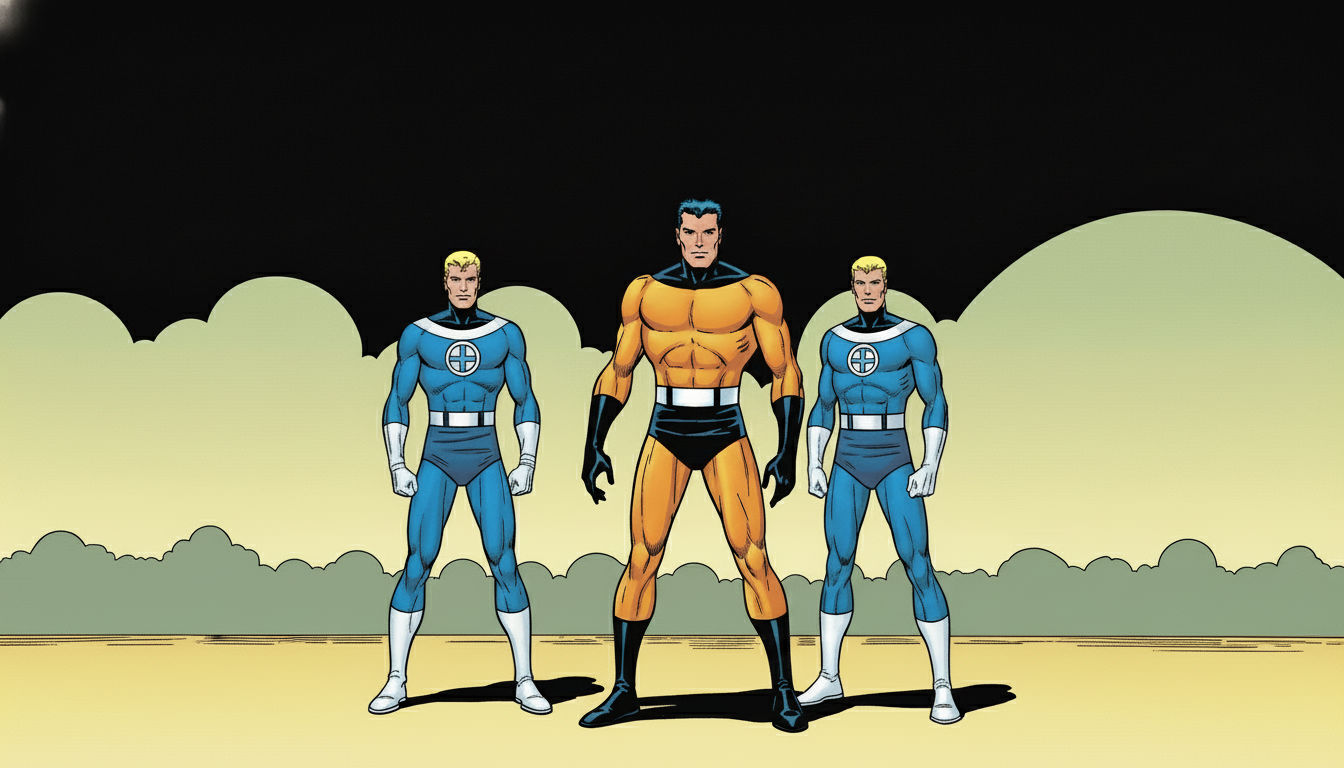
So, what actually went down in that legendary fantastic four first comic? Buckle up, buttercup. The crew—already bonded from their college days—gets zapped by cosmic rays during a joyride (thanks, Reed’s ego), crash-lands in the desert, and bam: powers unlocked. They fight a sea monster, some aliens, and a communist dictator named the Mole Man (Cold War vibes, anyone?). But the real magic? The way they *talked*. No dramatic monologues—just snark, panic, and sibling energy. Sue rolls her eyes at Johnny. Reed gets lost in equations. Ben complains. That slice-of-life chaos? That’s the secret sauce of the fantastic four first comic. And oh yeah—it sold like hotcakes, saving Marvel from near-bankruptcy. Pressure? What pressure?
The Cultural Impact of the Fantastic Four First Comic
You can’t talk Marvel without tipping your hat to the fantastic four first comic. It didn’t just launch four characters—it launched a storytelling revolution. Suddenly, heroes could be insecure (looking at you, Peter Parker), petty (Wolverine, we see you), and emotionally complicated (hi, Tony Stark). The fantastic four first comic proved that readers didn’t want gods—they wanted neighbors with problems and powers. That ethos bled into every Marvel title after 1961. Even today, when you watch *WandaVision* or read *Ms. Marvel*, you’re tasting the same messy, human-first flavor Kirby and Lee cooked up in that dingy midtown office. And let’s be real—without the fantastic four first comic, the MCU might’ve been a bunch of guys in capes saying “Hail Hydra” with zero personality.
Collecting the Fantastic Four First Comic: Worth Every Penny
If you somehow stumble upon a copy of the fantastic four first comic at a garage sale, don’t blink—buy it, hug it, then lock it in a vault. We’re talkin’ serious cash here. A near-mint copy once sold for over **$400,000 USD** (yep, you read that right). Why? Because it’s not just paper—it’s a time capsule of when comics grew up. Even reprints and facsimiles carry weight for fans who wanna feel that 1961 lightning strike. But heads-up: if someone tries to sell you a “rare” copy for $20 on Craigslist? Baby, that’s a trap. Real ones are rarer than a quiet day in New York. Still, hunting for the fantastic four first comic is like chasing a ghost—with a very expensive price tag.
Fake vs. Real: Spotting Counterfeits
Pro tip? Real copies of the fantastic four first comic have that classic Marvel logo in red with a white background, no barcode (since those didn’t exist yet), and that sweet, musty smell of 60-year-old newsprint. Counterfeits often add modern touches—like barcodes or glossy covers. Don’t get duped, amigo.
The Evolution of the Fantastic Four Since Their First Comic
From the fantastic four first comic to today’s multiversal mayhem, the FF have morphed, expanded, and even disbanded—but never disappeared. We’ve seen Reed turn into a cosmic god, Sue lead the team with icy precision, Johnny date aliens, and Ben… well, Ben stayed perfectly grumpy (bless him). New members came and went—like Spider-Man filling in during *FF #587* (“One More Day” aftermath, ugh)—but the soul stayed intact. Even in alternate realities (*Ultimate FF*, *Marvel 1602*), that core of family-first heroism rings true. The fantastic four first comic planted a seed; everything after is just branches reaching for the same sky.
Why Fans Keep Returning to the Fantastic Four First Comic
Here’s the thing about the fantastic four first comic: it’s not just nostalgia—it’s comfort. In a world of cinematic universes and 10-hour lore dumps, flipping through those 25 pages feels like coming home. The jokes land. The science is bonkers. Ben’s still yelling. It’s short, punchy, and full of heart—like your favorite diner burger. New readers pick it up and go, “Wait, this is *old*? Feels fresh as yesterday.” That’s the magic of the fantastic four first comic: it’s timeless because it’s human. Not perfect. Just real. And in 2025? We need that more than ever.
Legacy, Links, and Where to Go Next
The fantastic four first comic didn’t just start a team—it started a legacy that still pulses through every Marvel story. Want to dive deeper? Start right here at Randall Enos, your no-nonsense hub for comic lore that doesn’t take itself too seriously. Craving more four-color goodness? Swing by our dedicated Comics section, where panels pop and continuity twists. And if you’re itching to relive that historic debut with extra context, our deep-dive piece “First Fantastic 4 Comic Historic Debut” unpacks every easter egg Kirby hid in those ink lines. Trust us—your inner 12-year-old will thank you.
Frequently Asked Questions
What was the first Fantastic Four comic?
The first fantastic four first comic is *Fantastic Four #1*, released by Marvel Comics in November 1961. It introduced Reed Richards, Sue Storm, Johnny Storm, and Ben Grimm after their fateful cosmic-ray exposure, marking the true beginning of the Marvel Universe as we know it.
Is Fantastic 4 the first comic?
Nope! Comics existed long before the fantastic four first comic—but *Fantastic Four #1* was the first to blend superhero action with real human drama, launching the Marvel Age of Comics and redefining what superhero stories could be.
Who is the original Fantastic Four?
The original lineup from the fantastic four first comic includes Mister Fantastic (Reed Richards), Invisible Girl (Sue Storm), Human Torch (Johnny Storm), and The Thing (Ben Grimm)—a quartet bound by science, cosmic rays, and big ol’ family energy.
When did the Thing first appear in Fantastic Four?
The Thing debuted right in the fantastic four first comic—*Fantastic Four #1* (1961)—as founding member Ben Grimm, instantly becoming the heart (and fists) of Marvel’s first family.
References
- https://www.marvel.com/comics/issue/16083/fantastic_four_1961_1
- https://www.comichron.com/monthlycomicssales/1961/1961-11.html
- https://www.cbz.com/price-guide/fantastic-four-1-value