First Fantastic 4 Comic Historic Debut
- 1.
Unraveling the Cosmic Origins of the first fantastic 4 comic
- 2.
The Birth of a New Kind of Heroism in the first fantastic 4 comic
- 3.
Cover Art That Screamed “Buy Me!”: The Visual Identity of the first fantastic 4 comic
- 4.
The Price of Innovation: How Much Did the first fantastic 4 comic Cost?
- 5.
From Newsstands to Auction Blocks: The Legacy of the first fantastic 4 comic
- 6.
Stan Lee’s Game-Changing Gamble with the first fantastic 4 comic
- 7.
Jack Kirby’s Cosmic Blueprint in the first fantastic 4 comic
- 8.
Why the first fantastic 4 comic Still Resonates in the Age of CGI Blockbusters
- 9.
Collecting the first fantastic 4 comic: Myth, Madness, and Market Realities
- 10.
Tracing the Evolution from the first fantastic 4 comic to Today’s Multiverse Madness
Table of Contents
first fantastic 4 comic
Unraveling the Cosmic Origins of the first fantastic 4 comic
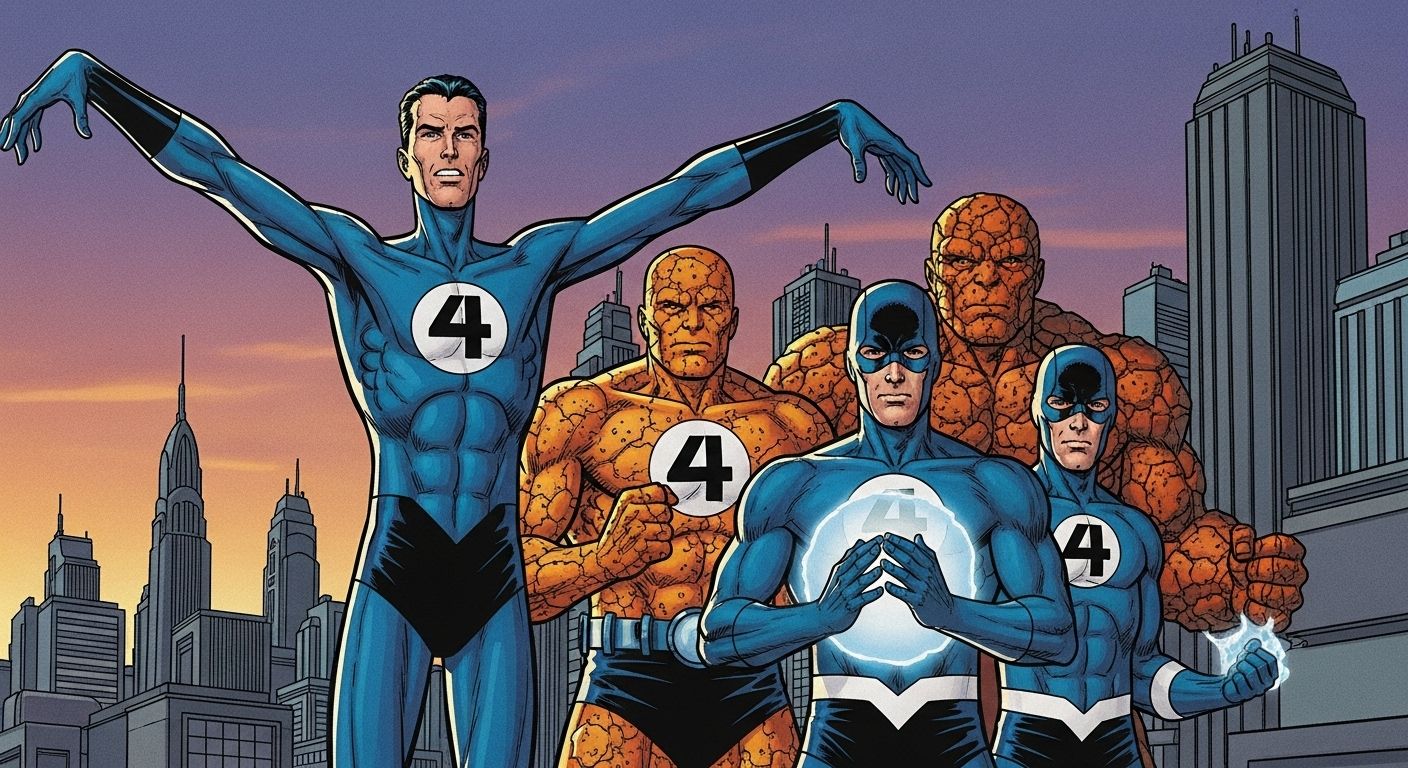
Ever wondered what’d happen if you tossed four regular folks into a radioactive cosmic storm and watched ‘em come out with superpowers? Well, Stan Lee and Jack Kirby sure did—and that’s exactly how the first fantastic 4 comic was born. Back in November 1961, Marvel Comics dropped Fantastic Four #1, and boom—superhero comics were never the same again. Forget the squeaky-clean, perfect heroes of yesteryear; these cats were messy, bickering, emotional, and oh-so human. The first fantastic 4 comic didn’t just introduce Reed Richards, Sue Storm, Johnny Storm, and Ben Grimm—it rewrote the rulebook on what a superhero team could be.
The Birth of a New Kind of Heroism in the first fantastic 4 comic
Before the first fantastic 4 comic, capes meant flawless moral compasses and zero drama. But Lee and Kirby said, “Nah, fam—let’s make ‘em real.” These heroes argued like roommates on rent day, doubted themselves, and even messed up royally. That vulnerability? That’s what made the first fantastic 4 comic a cultural earthquake. It wasn’t just about saving the world; it was about saving face, egos, and relationships too. In New York lingo, they kept it “a hundred”—raw, unfiltered, and refreshingly flawed.
Cover Art That Screamed “Buy Me!”: The Visual Identity of the first fantastic 4 comic
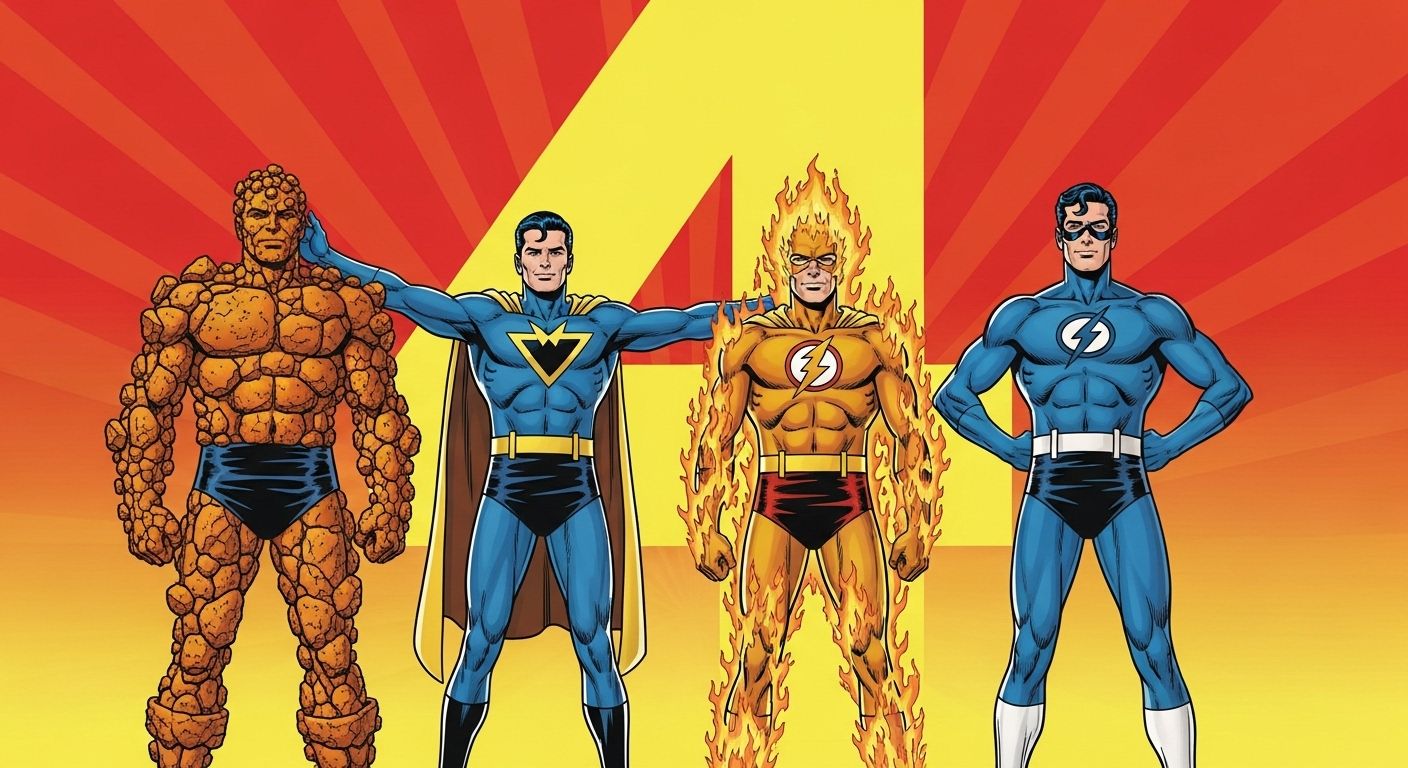
That iconic cover—Reed stretching, Sue turning invisible (sorta), Johnny on fire, and Ben looking like he just lost a bet with gravity—it wasn’t just eye candy; it was a promise. A promise that what’s inside the first fantastic 4 comic is gonna blow your socks off. Kirby’s pencils were bold, dynamic, almost vibrating off the page. The art wasn’t polished perfection; it had grit, energy, chaos—the same chaotic good energy that defined the team. Even the logo—blocky, uneven, bursting with motion—screamed: “This ain’t your daddy’s superhero book.”
The Price of Innovation: How Much Did the first fantastic 4 comic Cost?
Back in ’61, the first fantastic 4 comic retailed for a cool ten cents—yep, you read that right. Ten. Cents. These days? Good luck finding a copy under six figures. A near-mint CGC 9.8 copy sold for over $350,000 USD in recent years. Talk about inflation with a side of cosmic rays! But beyond the jaw-dropping auction prices, that ten-cent price tag symbolized something bigger: accessibility. Marvel wanted everyone—kids in Queens, teens in Chicago, nerds in Seattle—to afford a ticket to this brand-new universe.
From Newsstands to Auction Blocks: The Legacy of the first fantastic 4 comic
What started as disposable entertainment stacked next to gum and soda bottles is now museum-worthy. The first fantastic 4 comic didn’t just launch a franchise—it planted the seed for the entire Marvel Universe. Spider-Man? X-Men? Avengers? All owe a slice of their DNA to that chaotic, genius debut. Collectors treat it like the Holy Grail, but fans? Fans treat it like a time capsule—proof that even in black-and-white newsprint, dreams could stretch, turn invisible, burst into flame, or turn to rock and still win hearts.
Stan Lee’s Game-Changing Gamble with the first fantastic 4 comic
Let’s be real—Stan Lee was tired. Tired of churning out the same old hero tropes. So he turned to his wife, Joan, and said (paraphrasing, of course), “What if I just… did the opposite?” And voilà—the first fantastic 4 comic was born from that “screw it, let’s try” energy. Lee didn’t just write dialogue; he injected personality. Johnny’s “flame on!” wasn’t just a catchphrase—it was youthful rebellion. Ben’s “it’s clobberin’ time!” was blue-collar rage turned heroic. And Reed? The dude couldn’t even propose without overthinking it. Human. All too human.
Jack Kirby’s Cosmic Blueprint in the first fantastic 4 comic
While Lee brought the voice, Kirby brought the vision—and what a vision it was. The first fantastic 4 comic pulsed with Kirby’s signature dynamism: impossible angles, exaggerated musculature, and tech that looked like it was sketched by someone who’d seen the future in a dream. His Mole Man? Not just a villain—a metaphor for buried trauma and forgotten histories. His machinery? Not just props—extensions of human ambition gone wild. Kirby didn’t draw panels; he built universes, one jagged line at a time.
Why the first fantastic 4 comic Still Resonates in the Age of CGI Blockbusters
In an era where superhero movies cost $200 million and look like video games with dialogue, the first fantastic 4 comic feels like a warm, handwritten letter from a simpler time. No focus groups. No algorithm-driven scripts. Just two creators swinging big with nothing to lose. That raw authenticity? That’s why fans still quote its panels, why new readers pick it up expecting camp and walk away stunned by its emotional honesty. It’s not outdated—it’s timeless, like your granddad’s leather jacket or your favorite diner’s secret-recipe pie.
Collecting the first fantastic 4 comic: Myth, Madness, and Market Realities
If you’re dreaming of owning a copy of the first fantastic 4 comic, buckle up, buttercup—this ain’t no garage sale find. Grading matters. Provenance matters. Even the smell of old paper matters to hardcore collectors. But beyond the dollar signs, there’s a quiet reverence. Holding that issue is like touching the Big Bang of modern comics. Most of us will never own one—but we can still geek out over its impact, its panels, its legacy. And honestly? That’s enough.
Tracing the Evolution from the first fantastic 4 comic to Today’s Multiverse Madness
From a single comic book about four astronauts catching space rays to sprawling multiversal epics featuring variants, alt-realities, and time-displaced teens—the journey began with that first fantastic 4 comic. It’s wild to think that today’s MCU chaos (looking at you, *Secret Wars* rumors) traces back to four characters arguing in a Baxter Building elevator. The heart of the FF has always been family—biological or chosen—and that truth, born in 1961, still beats loud. For more on the team’s rocky but legendary road, swing by the Randall Enos homepage, dive into our Comics section, or check out our deep dive on Ben Grimm Fantastic Four 2015 Rock Power.
Frequently Asked Questions
What is the first fantastic 4 comic?
The first fantastic 4 comic is *Fantastic Four #1*, published by Marvel Comics in November 1961. It introduced Reed Richards (Mr. Fantastic), Sue Storm (Invisible Girl), Johnny Storm (Human Torch), and Ben Grimm (The Thing), created by Stan Lee and Jack Kirby. This issue marked a revolutionary shift in superhero storytelling by emphasizing character flaws, interpersonal conflict, and emotional realism.
What is the oldest Fantastic Four comic book?
The oldest Fantastic Four comic book is *Fantastic Four #1*, released in November 1961. As the debut issue of the series, it holds the title of the earliest and most historically significant entry in the franchise, making it the definitive oldest first fantastic 4 comic in existence.
Which is the first fantastic 4?
The first fantastic 4 refers to the original team lineup introduced in the first fantastic 4 comic: Mr. Fantastic (Reed Richards), Invisible Girl (Sue Storm), Human Torch (Johnny Storm), and The Thing (Ben Grimm). These four characters have remained the core of the franchise across decades of comics, TV shows, and films.
What was Stan Lee's first comic?
While Stan Lee wrote many stories before it, his career-defining breakthrough was the first fantastic 4 comic (*Fantastic Four #1*, 1961), co-created with Jack Kirby. Though not technically his *very first* published comic (that was a text filler in *Captain America Comics #3* in 1941), the FF #1 is widely regarded as the comic that launched the Marvel Age of Comics and cemented Lee’s legacy.
References
- https://www.comichron.com/monthlycomicssales/1961/FantasticFour1.html
- https://www.cbr.com/fantastic-four-1-most-important-marvel-comic/
- https://www.icv2.com/articles/news/view/44223/first-fantastic-four-comic-value-soars
- https://kirbymuseum.org/blogs/news/the-creation-of-the-fantastic-four