Comics Best Reading List
- 1.
What Makes Comics Such an Enduring Art Form in Modern Culture
- 2.
Understanding the Four Primary Types of Comics That Define the Industry
- 3.
Exploring the Top Ten Comics That Every Reader Should Experience
- 4.
Why the DC Versus Marvel Debate Continues to Divide Comic Fans
- 5.
Discovering the Best DC Comics for New and Veteran Readers Alike
- 6.
How Comics Have Evolved from Newspaper Strips to Digital Masterpieces
- 7.
The Cultural Impact of Comics on Society and Popular Entertainment
- 8.
Why Collecting Comics Remains a Passionate Hobby for Millions Worldwide
- 9.
Understanding the Creative Process Behind Your Favorite Comics
- 10.
Where to Find and Read Comics in Today's Digital Age
Table of Contents
Comics
What Makes Comics Such an Enduring Art Form in Modern Culture
Ever wondered why comics have this magical way of transporting us to different worlds with just a flip of a page? We reckon it's because these illustrated stories speak to something deep inside us, ya know? Comics ain't just about caped crusaders and spandex-clad heroes—they're a legitimate art form that's been kickin' around for over a century, evolving from simple newspaper strips to complex graphic narratives that tackle everything from social justice to personal trauma.
The beauty of comics lies in their unique ability to blend visual artistry with storytelling in a way that neither medium could achieve alone. When we dive into a good comic book, we're not just reading words or looking at pictures—we're experiencing a symbiotic relationship between text and image that creates something greater than the sum of its parts. It's like the creators are speakin' directly to our imagination, invitin' us to fill in the gaps between panels with our own mental movies.
From the golden age of comics in the 1930s to today's digital revolution, these sequential art pieces have consistently pushed boundaries and challenged what we think storytelling can be. Whether you're a seasoned collector or someone who just picked up their first trade paperback yesterday, there's somethin' undeniably special about the way comics make us feel like kids again while simultaneously tackling mature, complex themes.
Understanding the Four Primary Types of Comics That Define the Industry
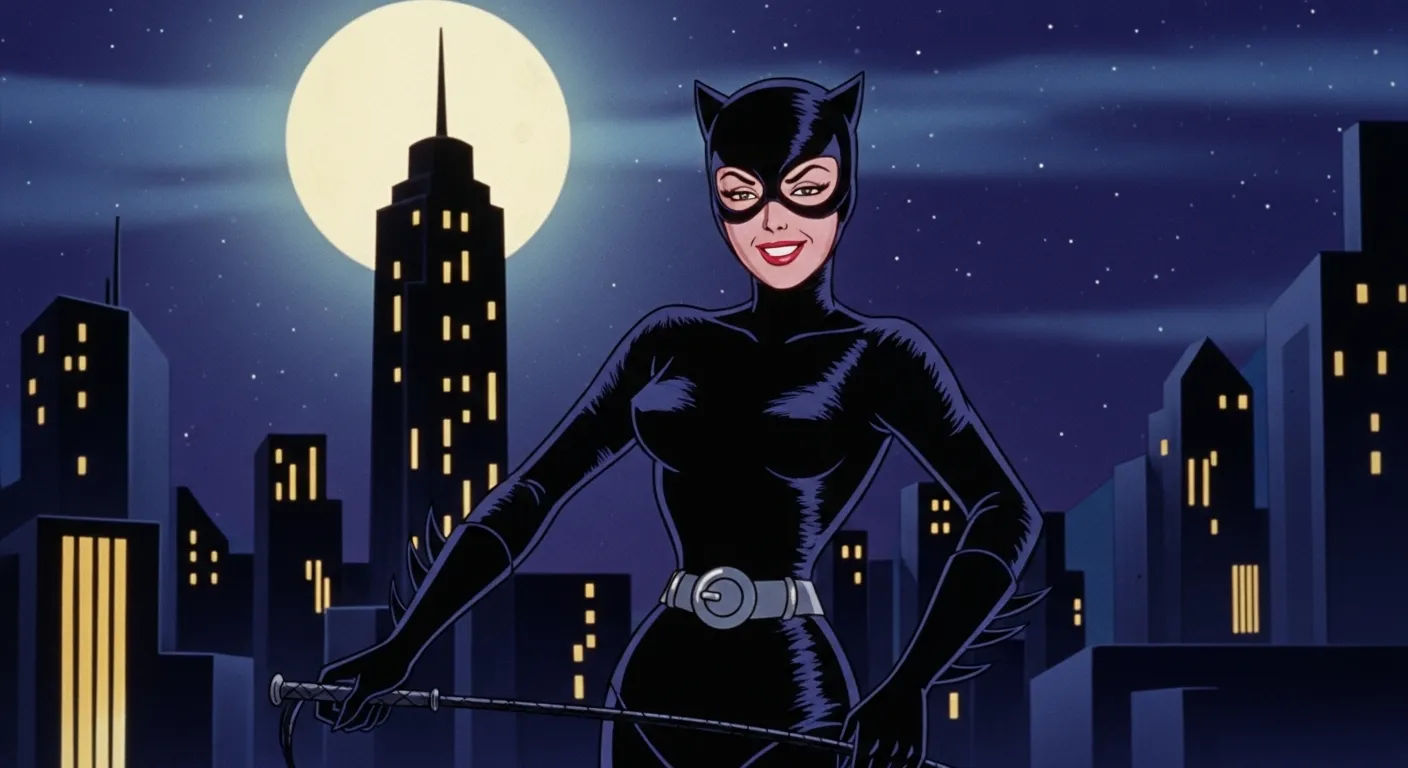
When folks ask us about the different types of comics out there, we usually break it down into four main categories that have shaped the industry. First up, you got your superhero comics—the bread and butter of the American market, featuring iconic characters like Superman, Batman, and Spider-Man who've been fightin' evil for decades. These bad boys dominate the shelves and continue to attract new readers generation after generation.
Then there's the manga scene, them Japanese comics that have taken the world by storm with their distinctive art style and incredibly diverse storytelling. From shonen action series to shojo romance tales, manga comics offer something for literally everyone, and we ain't exaggeratin'. The way manga creators panel their pages and control pacing is just *chef's kiss*, as the young folks say these days.
Third, we got indie and alternative comics—the rebellious teenagers of the comic world that refuse to play by the mainstream rules. These comics often explore experimental narratives, unconventional art styles, and topics that the big publishers might consider too risky. Finally, there's the European bandes dessinées tradition, them fancy Franco-Belgian comics that brought us classics like Tintin and Asterix, known for their gorgeous artwork and sophisticated storytelling.
Exploring the Top Ten Comics That Every Reader Should Experience
Now, if you're wonderin' which comics made it onto our must-read list, buckle up buttercup because we're about to take you on a journey through the greatest sequential art ever created. At the top of our list sits "Watchmen" by Alan Moore and Dave Gibbons, a comic that deconstructed the superhero genre so thoroughly that it changed the industry forever. This ain't your typical good-versus-evil tale—it's a complex meditation on power, morality, and what happens when people with godlike abilities play politics.
"Maus" by Art Spiegelman deserves a spot on any respectable comics list, using anthropomorphic animals to tell the harrowing true story of the Holocaust. Who would've thought that comics could tackle such heavy subject matter with such grace and power? It won a Pulitzer Prize, for cryin' out loud, proving once and for all that comics are legitimate literature.
We also gotta mention "The Dark Knight Returns" by Frank Miller, which showed us what happens when Batman gets old and cranky—turns out, he's even more badass as a senior citizen. "Sandman" by Neil Gaiman redefined what fantasy comics could be, weaving mythology, horror, and drama into an unforgettable tapestry. And let's not forget "Persepolis" by Marjane Satrapi, a powerful autobiographical comics about growin' up during the Iranian Revolution that'll make you laugh, cry, and question everything you thought you knew about life.
Why the DC Versus Marvel Debate Continues to Divide Comic Fans
Ask any comics enthusiast which is bigger—DC or Marvel—and you'll start a debate that could last longer than some of their superhero feuds. The truth is, both publishers have dominated different eras and aspects of the industry. Marvel comics revolutionized the game in the 1960s by creating flawed, relatable heroes who dealt with real-world problems alongside their superhuman challenges. Spider-Man payin' rent? The X-Men facin' discrimination? That was groundbreaking stuff back in the day.
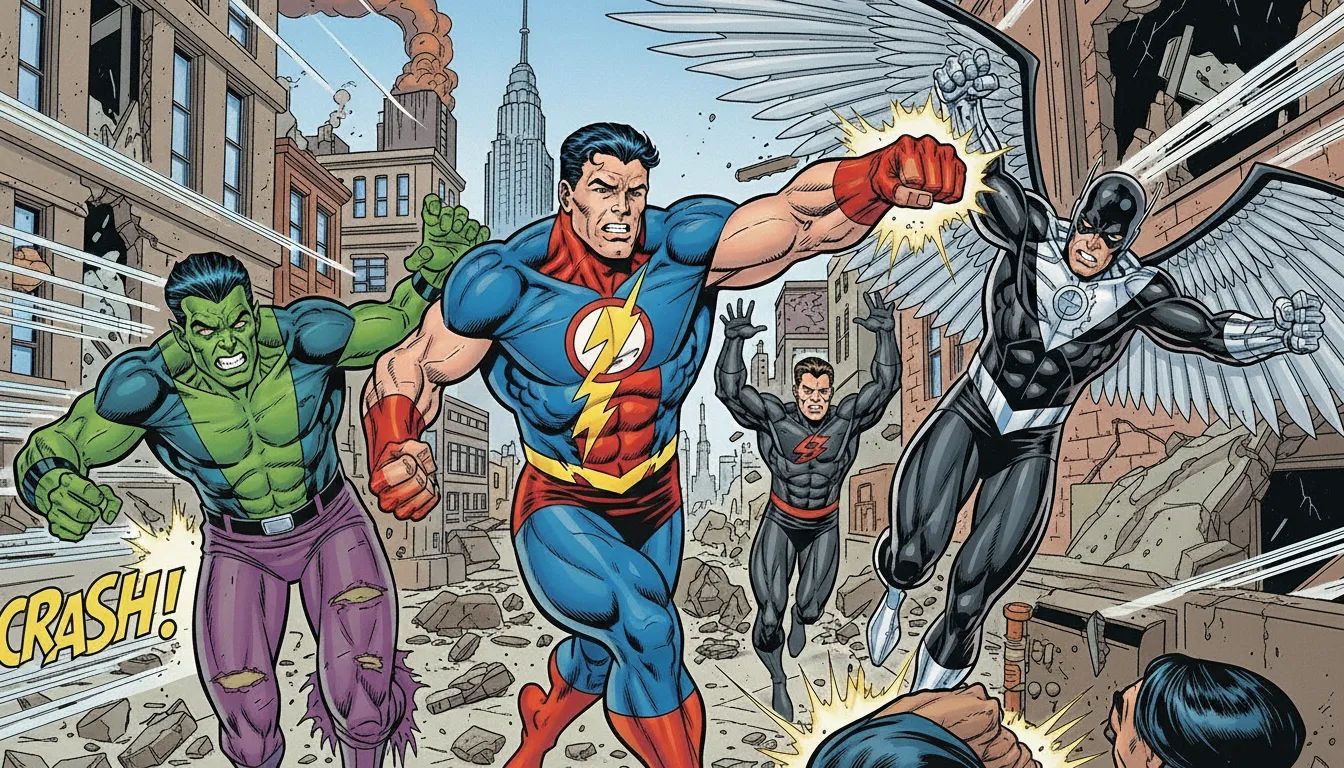
DC comics, on the other hand, gave us the archetypal gods among men—Superman, Batman, Wonder Woman—characters so iconic they've transcended the page to become modern mythology. When we look at the numbers, Marvel's been sellin' more comics consistently since the early 2000s, but DC's characters arguably have greater cultural recognition worldwide. It's like comparin' apples to oranges, except both fruits can bench press a tank and shoot laser beams from their eyes.
The rivalry between these two comics giants has actually benefited readers tremendously, pushin' both companies to innovate and create better stories. Whether you're team DC or team Marvel, we can all agree that competition makes the entire comics industry stronger. And honestly, why choose sides when you can enjoy the best comics from both universes? Life's too short for that kinda loyalty, y'all.
Discovering the Best DC Comics for New and Veteran Readers Alike
If you're lookin' to dive into the DC Universe but don't know where to start, we got you covered with some recommendations that'll make you fall in love with these comics. "All-Star Superman" by Grant Morrison and Frank Quitely is widely considered one of the finest Superman comics ever created, capturin' the essence of what makes the Man of Steel so inspiring while tellin' a complete, emotionally resonant story in just twelve issues.
For Batman fans, "Batman: Year One" by Frank Miller and David Mazzucchelli shows us how Bruce Wayne became the Dark Knight in a gritty, noir-inspired tale that's influenced every Batman story since. "Kingdom Come" by Mark Waid and Alex Ross presents a dystopian future where older DC comics heroes must come out of retirement, featuring some of the most gorgeous painted artwork you'll ever see in a comics publication.
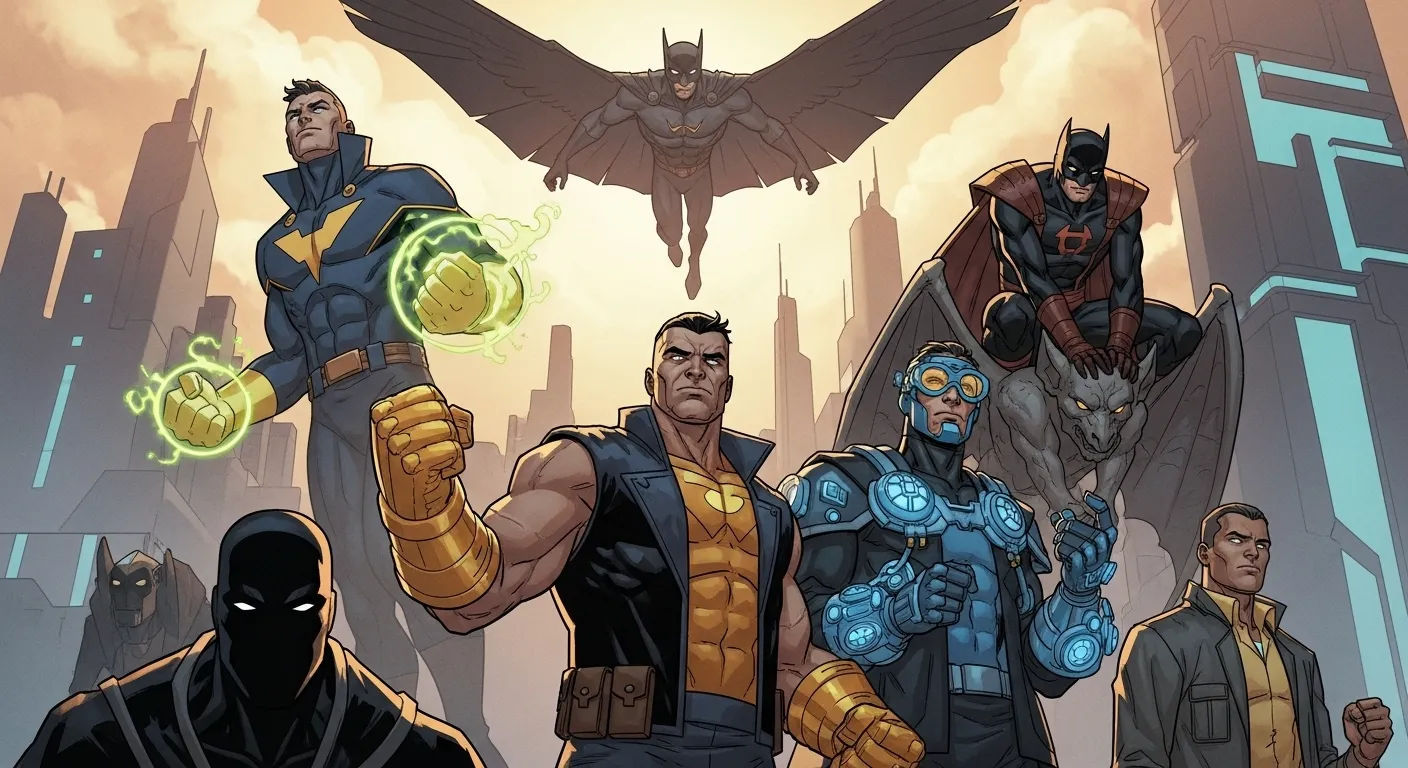
Don't sleep on "Green Lantern: Secret Origin" by Geoff Johns, which modernized Hal Jordan's mythos while respectin' the character's rich history. And if you're into team books, "JLA" by Grant Morrison redefined what a superhero team comics could be, presentin' the Justice League as modern gods tackling threats too big for any single hero. These comics represent the best of what DC has to offer, balancing epic storytelling with character development that'll make you care about these larger-than-life figures.
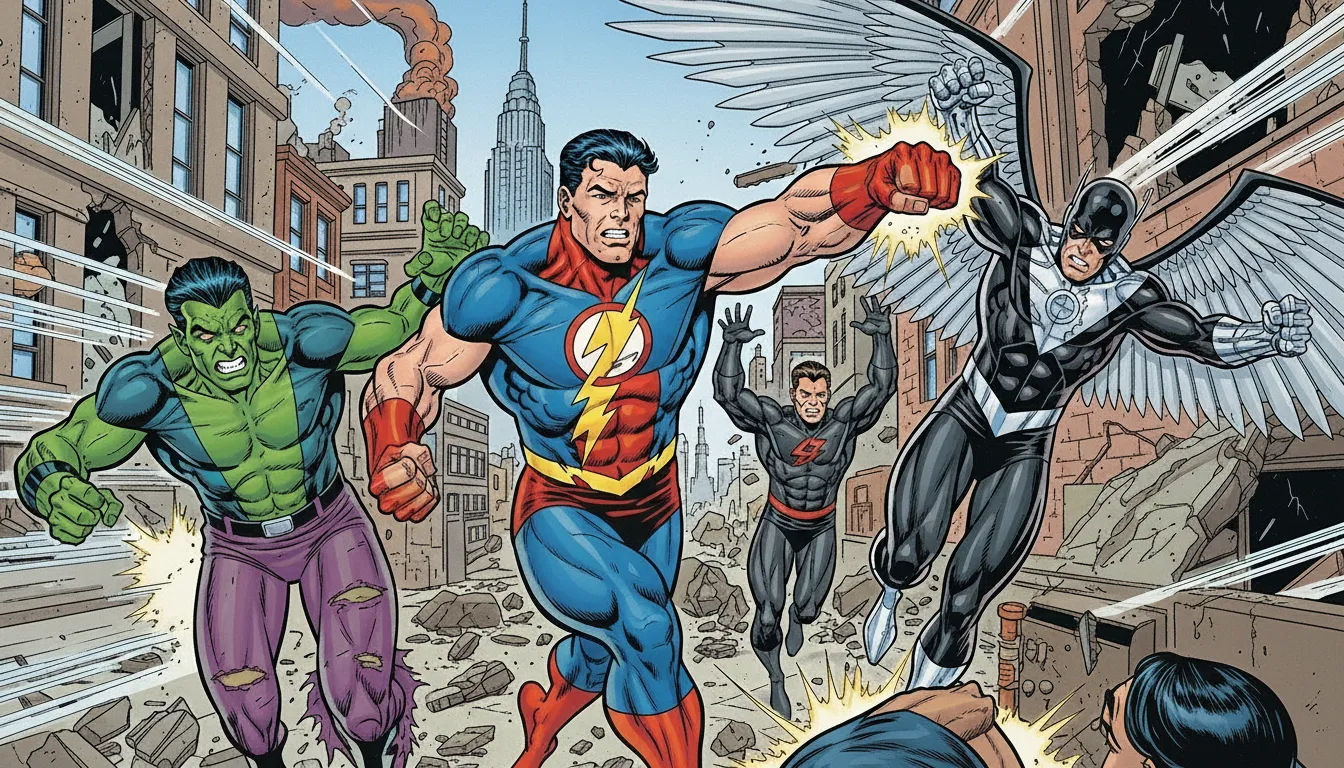
How Comics Have Evolved from Newspaper Strips to Digital Masterpieces
The journey of comics from humble newspaper beginnings to today's digital landscape is nothing short of remarkable. We've watched these comics transform from black-and-white comic strips that entertained morning coffee drinkers to full-color digital experiences that can include animation, sound effects, and interactive elements. It's been one heck of a ride, and we're just glad we got front row seats.
The digital revolution has made comics more accessible than ever before. No longer do you need to hunt through dusty back-issue bins at your local shop—you can download entire libraries of comics to your tablet in seconds. Platforms like ComiXology and Marvel Unlimited have changed the game, offerin' subscription services that give you access to thousands of comics for less than the price of a single physical issue per month.
But here's the thing—we don't think digital will ever completely replace physical comics. There's somethin' tactile and special about holdin' a freshly printed comic book, smellin' that new paper scent, and admiring the cover art in your hands. The best part? We don't have to choose. The modern comics industry supports both formats, allowin' readers to enjoy their favorite stories however they prefer.
The Cultural Impact of Comics on Society and Popular Entertainment
It's impossible to overstate how much comics have influenced modern culture and entertainment. These comics have given us blockbuster movies, hit TV shows, video games, fashion trends, and even influenced how we talk about heroism and morality in everyday life. When someone says they wanna be a superhero, they're drawin' from decades of comics storytelling that's shaped our collective imagination.
Beyond entertainment, comics have tackled serious social issues, from racism and sexism to political corruption and mental health. Creators have used the medium to challenge readers, provoke thought, and inspire change. We've seen comics address the AIDS crisis, explore LGBTQ+ identities, and give voice to marginalized communities in ways that mainstream media often ignored.
The educational value of comics is finally gettin' the recognition it deserves too. Teachers are usin' comics to engage reluctant readers, explain complex historical events, and make literature more accessible. Graphic novels are showin' up in school curricula and university courses, provin' that comics are more than just entertainment—they're a legitimate tool for learnin' and personal growth.
Why Collecting Comics Remains a Passionate Hobby for Millions Worldwide
Collecting comics is more than just hoardin' paper—it's a passion that connects millions of people across generations and cultures. There's a unique thrill in huntin' down that rare first appearance, completin' a run of your favorite series, or findin' a mint condition comics issue from decades past. We've seen folks spend entire weekends at comic conventions, bondin' over their shared love of these illustrated stories.
The financial aspect of comics collecting can't be ignored either. Some rare comics have appreciated tremendously in value, with key issues sellin' for millions of dollars at auction. Action Comics #1, featuring Superman's first appearance, has changed hands for eye-poppin' sums that would make any collector weak in the knees. But most of us aren't in it for the money—we're in it for the love of the comics themselves.
Modern collecting has evolved too, with variant covers, signed editions, and exclusive releases creatin' new ways to engage with comics. Whether you're a serious investor or someone who just enjoys organizin' their long boxes on Saturday mornings, collectin' comics offers a sense of accomplishment and community that's hard to find elsewhere.
Understanding the Creative Process Behind Your Favorite Comics
Ever wondered how comics actually get made? It's a collaborative process that typically involves a writer, penciler, inker, colorist, and letterer—all workin' together to bring a story to life. The writer crafts the script for the comics, describin' the action and writin' dialogue. Then the penciler draws the pages, creatin' the visual foundation that'll guide everyone else.
After that, the inker goes over the pencils, addin' depth and definition to the comics artwork. The colorist brings everything to life with their palette choices, settin' mood and tone for each scene in the comics. Finally, the letterer adds the dialogue, captions, and sound effects, makin' sure the words flow naturally with the art. It's like a well-oiled machine, with each person contributin' their expertise to create the final comics product.
Some creators wear multiple hats, writin' and drawin' their own comics for a more unified vision. Whether it's a team effort or a solo project, makin' comics requires incredible skill, dedication, and creativity. Next time you read your favorite comics, take a moment to appreciate all the talented folks who worked behind the scenes to bring that story to you.
Where to Find and Read Comics in Today's Digital Age
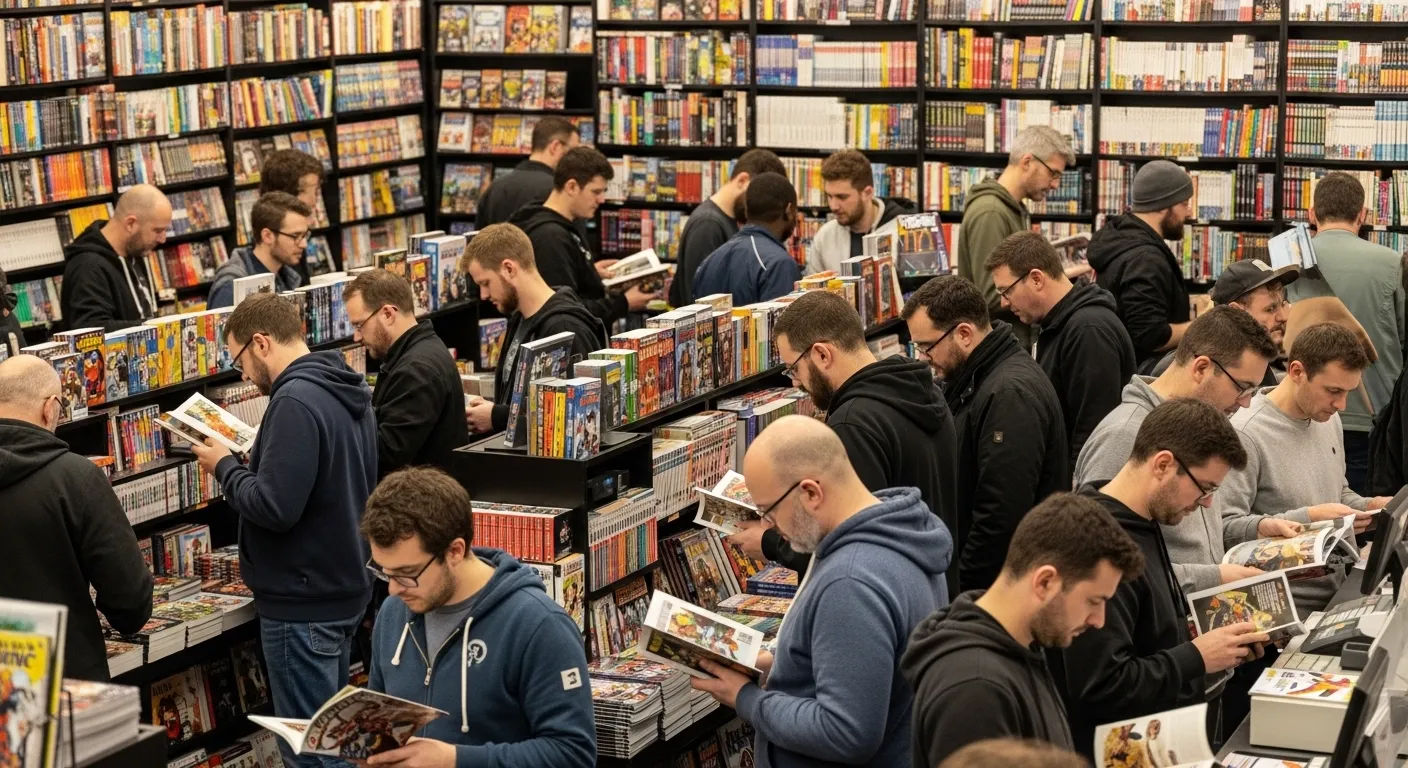
Thankfully, findin' and readin' comics has never been easier than it is right now. You can stroll into your local comic book shop and browse through racks of fresh comics, chattin' with knowledgeable staff who can recommend your next favorite series. Or, if you're more of a homebody like us, you can visit Randall Enos to explore curated content about the medium, check out the Publishing section for industry insights, or dive into our comprehensive Comics Best Reading List for personalized recommendations.
Digital platforms have exploded in popularity, offerin' instant access to thousands of comics from your phone, tablet, or computer. Services like Marvel Unlimited, DC Universe Infinite, and ComiXology Unlimited provide subscription models that let you read as many comics as you want for a monthly fee. It's like Netflix for comics, and we are absolutely here for it.
Libraries have also jumped on the comics bandwagon, offerin' extensive graphic novel collections that you can borrow for free. Many libraries now provide digital lending through apps like Hoopla and Libby, lettin' you borrow comics without ever leavin' your couch. Whether you prefer physical copies, digital downloads, or library loans, there's never been a better time to explore the amazing world of comics.
Frequently Asked Questions
What are the four types of comics?
The four primary types of comics include superhero comics featuring iconic characters like those from Marvel and DC, manga which are Japanese comics with distinctive art styles, indie and alternative comics that explore experimental narratives, and European bandes dessinées known for sophisticated storytelling. Each type of comics offers unique storytelling approaches and artistic styles that appeal to different readers.
What are the top 10 comics?
While rankings vary, the top comics consistently include Watchmen, Maus, The Dark Knight Returns, Sandman, Persepolis, All-Star Superman, Batman: Year One, Kingdom Come, V for Vendetta, and Saga. These comics have been recognized for their exceptional storytelling, artistic merit, and cultural impact on the medium.
Which is bigger, DC or Marvel?
Both DC and Marvel are massive publishers, but Marvel has sold more comics consistently since the early 2000s. However, DC characters arguably have greater cultural recognition worldwide. When it comes to comics market share and cultural influence, both publishers dominate the industry in different ways, making the competition beneficial for readers.
What are the best DC Comics to read?
The best DC comics to read include All-Star Superman, Batman: Year One, Kingdom Come, Watchmen, Green Lantern: Secret Origin, and JLA by Grant Morrison. These comics represent the finest storytelling DC has to offer, balancing epic narratives with character development that showcases why these heroes have endured for decades.
References
- https://www.marvel.com/comics
- https://www.dccomics.com
- https://www.comixology.com
- https://www.pulitzer.org/prize-winners-by-category/230